
Key summary
For racing enthusiasts considering yearling syndication, the 2026 Inglis Premier Yearling Sale offers insights into bloodstock trends and potential value opportunities. While any yearling purchase carries financial risk, understanding catalogue patterns helps identify horses with strong breeding foundations that could deliver racing success.
Why the Inglis Premier Yearling Sale Matters for Everyday Racing Enthusiasts
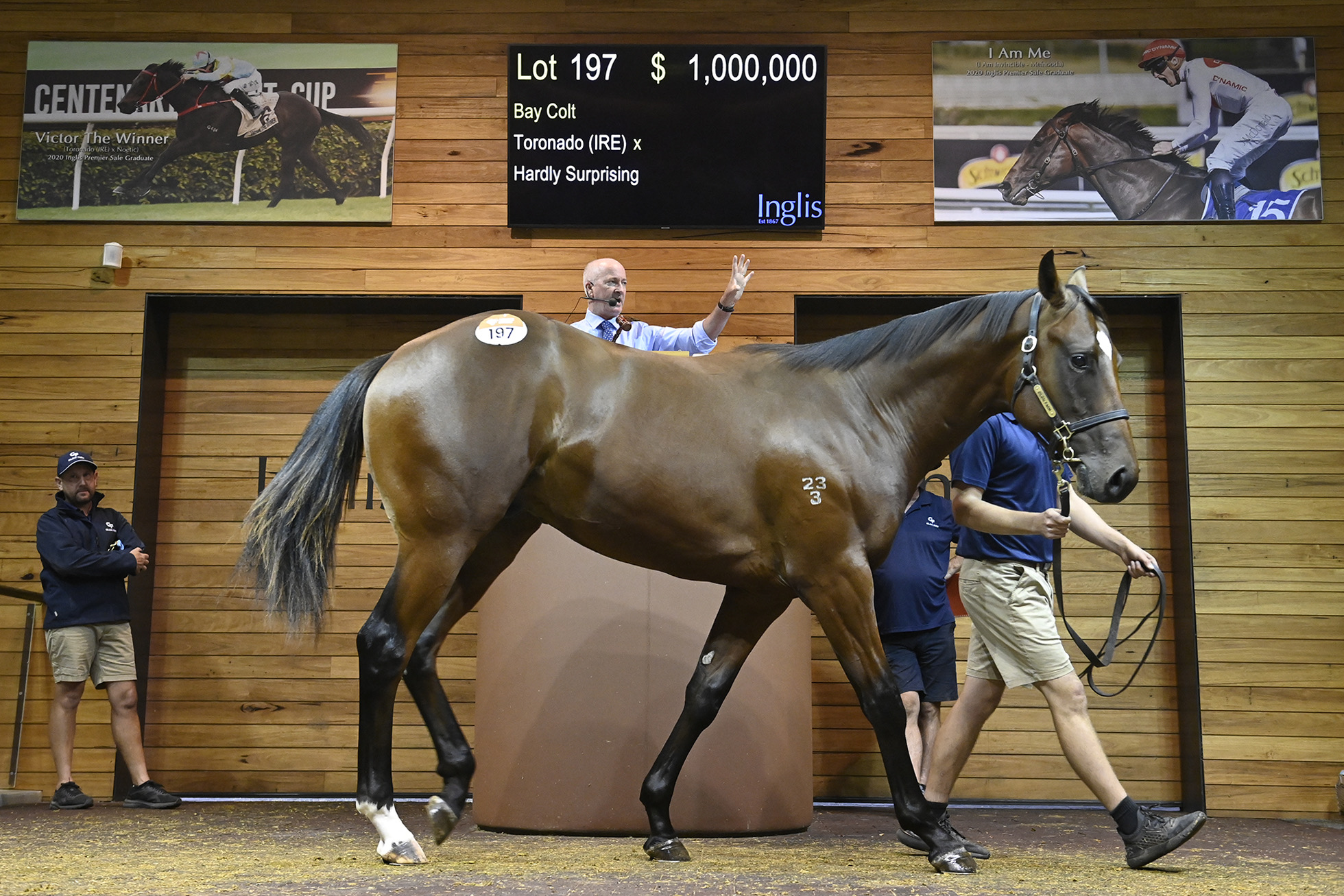
The Inglis Premier Yearling Sale has long been one of Australia’s premier bloodstock events, where the country’s most promising young thoroughbreds change hands. For those interested in racehorse ownership through syndication, this sale provides a fascinating window into industry trends and what professional buyers are prioritising.
The 2026 Inglis Premier Yearling Sale catalogue reveals several key themes that could shape the racing landscape over the next few years. Understanding these patterns helps potential owners make more informed decisions about which syndicate opportunities might offer the best combination of racing potential and value.
Unlike betting on established horses, yearling purchases represent long-term investments in untested potential. The excitement lies in spotting future champions before they’ve ever seen a racetrack, though it’s crucial to remember that even the best-bred yearlings carry significant risk.
What Sets Premier Sales Apart from Other Yearling Events
Premier sales attract the cream of each year’s crop, with vendors carefully selecting their best-bred youngsters for these high-profile events. Industry data shows the catalogue features progeny from leading sires like I Am Invincible, Snitzel, and Frankel, with vendors like Yulong and Widden Stud presenting their largest drafts. The sale has produced multiple Group 1 winners, including recent Everest victors, demonstrating the selective presentation of top-bred stock.
This concentration of quality means competition is fierce, driving prices higher than at other sales. However, it also means buyers have access to horses with genuine stakes-winning potential, making the investment worthwhile for those seeking the ultimate racing experience.
What Bloodlines and Sires Are Dominating the 2026 Catalogue
The 2026 catalogue showcases several stallions who’ve established themselves as consistent sires of quality racehorses. Research from the 2026 Inglis Premier Yearling Sale confirms the catalogue features progeny from 110 individual stallions, prominently including established champions like I Am Invincible, Zoustar, Snitzel, Written Tycoon, and Exceed And Excel. First-season sires often generate significant interest, but established stallions with proven track records typically offer more predictable outcomes.
Which Established Sires Offer the Best Value Proposition
Proven sires with multiple Group 1 winners on their records represent attractive options for those seeking racing success, though the evidence on their effectiveness as the ‘safest bet’ is still emerging. These stallions command premium fees, but their yearlings often justify the investment through superior race performance and residual breeding value.
Smart buyers look beyond just the sire, examining the entire female family to identify yearlings from families that consistently produce winners. This approach requires more research but often uncovers genuine value opportunities that casual observers might miss.
- Stallions with multiple Group 1 winners across different age groups
- Sires showing consistent improvement in their progeny’s performance over time
- Up-and-coming stallions with limited but high-quality representatives
- Proven international bloodlines adapting well to Australian conditions
How International Bloodlines Are Shaping Australian Racing
The increasing influence of international bloodlines continues to reshape Australian racing. The 2026 catalogue highlights international stallions including European ones like Kingman, Lope De Vega, Siyouni, and Frankel, alongside American sires like No Nay Never, though the specific benefits of combining European stamina with American speed are still being evaluated by industry professionals.
This trend opens opportunities for syndicate members who understand these bloodline crosses. Yearlings combining the best of different racing traditions often outperform their sales prices, delivering excellent value for patient investors.
How to Identify Genuine Value Among High-Priced Lots
Premium sales create a challenging environment for value hunters, with fashionable bloodlines attracting intense bidding. However, genuine opportunities exist for those willing to dig deeper into pedigrees and physical attributes.
The best yearling purchases combine solid breeding foundations with realistic price expectations. We focus on horses that offer genuine racing potential without the premium attached to fashionable names.
Blueblood Thoroughbreds
What Physical Attributes Matter Most in Yearling Selection
While pedigree provides the genetic foundation, a yearling’s physical development and conformation ultimately determine racing ability. Veterinary guidance confirms that correct movement and structural correctness are critical for long-term soundness, reducing injury risk and supporting athletic performance. Experienced buyers examine movement, balance, and overall athletic presence to identify future performers, though specific evaluation methods vary among professionals.
Syndicate managers with strong veterinary support can spot horses with minor conformational issues that don’t affect racing ability but reduce sale prices. These horses often represent excellent value for groups focused on racing rather than breeding.
| Physical Attribute | Racing Impact | Value Consideration |
|---|---|---|
| Correct movement | Essential for soundness | Non-negotiable regardless of price |
| Athletic frame | Indicates racing potential | Worth premium for serious competitors |
| Minor cosmetic flaws | No racing impact | Excellent value opportunity |
| Size variations | Affects race distance preferences | Match to intended racing program |
When Unfashionable Bloodlines Deliver Superior Results
Market fashions often overlook proven performers whose bloodlines have temporarily fallen from favour. These horses frequently offer the best value propositions, combining racing ability with realistic purchase prices.
Experienced syndicate managers understand these market cycles and position themselves to capitalise when quality bloodlines become temporarily undervalued. This contrarian approach requires patience but often produces superior long-term results.
Tip
Research Beyond Headlines
Don't just focus on the sire's recent Group 1 winners. Look at the entire crop's performance, including horses that ran well without winning major races. Consistency often matters more than headline-grabbing victories.
What These Sale Trends Mean for Syndicate Opportunities
The patterns emerging from the 2026 Premier Sale catalogue provide valuable insights for potential syndicate members considering their investment options. Understanding these trends helps evaluate which syndicate offerings represent genuine opportunities rather than expensive gambles.
How Rising Yearling Prices Affect Syndicate Economics
Premium sale prices inevitably flow through to syndicate costs, making it more important than ever to choose operations with proven track records of horse selection and management. Market data from the 2026 sale shows average prices increasing from $146,240 in 2025 to $157,590, with top prices reaching $850,000, though experts are still analysing how these higher entry costs specifically impact ongoing expense budgeting.
Studies show that premium purchases create greater expectations for racing performance because buyers pay higher prices based on predictors like stallion fees and broodmare value, which signal higher potential returns. Successful syndicates adapt their strategies to these market conditions, either targeting specific value opportunities or ensuring their selections justify premium pricing through superior racing prospects.
- Higher entry costs require more careful budgeting for ongoing expenses
- Premium purchases create greater expectations for racing performance
- Value opportunities become more important for cost-conscious investors
- Experienced management becomes crucial for navigating expensive markets
Which Racing Programs Best Suit Different Yearling Types
The diversity of bloodlines at premier sales creates opportunities for syndicates targeting different racing goals. Early-maturing speedsters suit members wanting quick returns, while stamina-influenced yearlings offer longer-term satisfaction through extended racing careers.
Understanding these distinctions helps match investor expectations with appropriate horse selections. Members seeking immediate excitement prefer different yearling types than those happy to wait for classic-distance success.
Tip
Match Expectations to Bloodlines
Speed-oriented bloodlines typically race earlier but may have shorter careers, while stamina influences often take longer to mature but can race successfully over multiple seasons. Choose based on your patience level and racing goals.
What Realistic Expectations Should Guide Your Investment Decisions
The excitement surrounding premier yearling sales can create unrealistic expectations about investment returns and racing success. Community wisdom consistently emphasises the importance of treating any horse ownership investment as money you can afford to lose entirely.
Why Financial Returns Should Never Be the Primary Motivation
Experienced owners understand that the vast majority of yearling purchases will never return their initial investment through prize money or residual value. This reality doesn’t diminish the ownership experience but rather helps establish appropriate expectations from the beginning.
The true value of racehorse ownership lies in the educational experience, the thrill of race days, and the connection with training operations. These intangible benefits often justify the investment even when financial returns fail to materialise.
Success stories involving significant profits do exist, but they represent exceptional cases rather than typical outcomes. Treating positive financial results as pleasant surprises rather than expected outcomes creates a much more enjoyable ownership experience.
Tip
Budget for the Experience, Not Returns
Set your syndicate budget based on what you can afford to spend on entertainment and education, not investment returns. This mindset helps you enjoy the journey regardless of racing outcomes.
How Communication and Updates Enhance the Ownership Journey
The quality of communication from syndicate managers significantly impacts member satisfaction, often mattering more than racing results. Regular updates, training footage, and race day experiences help members feel connected to their investment even during quiet periods.
Choosing syndicates with strong communication practices ensures you receive value from the educational and experiential aspects of ownership. These elements remain constant regardless of racing performance, providing ongoing satisfaction throughout the journey.
Members consistently report that comprehensive updates and behind-the-scenes access make ownership worthwhile even when horses don’t achieve racing success. This emphasis on experience over purely financial outcomes creates more realistic and satisfying expectations.
Tip
Evaluate Communication Standards
Before joining any syndicate, ask about their update frequency, communication methods, and member event policies. Strong communicators will be happy to discuss their approach and provide examples of previous updates.
How Expert Selection and Training Partnerships Stack the Odds
While yearling selection involves inherent uncertainty, experienced syndicate managers use proven strategies to improve their success rates. Their industry connections, veterinary support, and training partnerships create advantages that individual buyers rarely possess.
What Professional Assessment Adds to Yearling Evaluation
Professional bloodstock agents bring years of experience in evaluating yearling conformation, movement, and racing potential. Their trained eyes spot details that casual observers miss, helping identify horses with genuine athletic ability rather than just fashionable breeding.
Veterinary examinations reveal potential soundness issues before purchase, preventing costly mistakes that could derail racing careers before they begin. This professional support significantly improves the chances of selecting horses capable of sustained racing careers.
- Experienced conformation assessment identifies athletic potential
- Veterinary examinations prevent soundness-related disappointments
- Industry connections provide access to inside information about bloodlines
- Professional relationships ensure horses reach appropriate training operations
Why Trainer Selection Matters as Much as Horse Selection
The right trainer can maximise a yearling’s potential, while poor training decisions can waste even the most promising prospects. Experienced syndicate managers cultivate relationships with trainers whose methods and facilities suit different horse types.
This matching process ensures yearlings receive appropriate development programs that enhance their natural abilities rather than forcing them into unsuitable racing patterns. The result is better racing performance and longer, more sustainable careers.
Members benefit from these professional relationships without needing to develop industry connections themselves. This access to quality training operations represents significant added value that individual owners struggle to replicate.
What the Research Says About Yearling Development
Understanding the timeline and development patterns of young racehorses helps set realistic expectations for syndicate members.
- Research confirms that most yearlings don’t race until they’re two-year-olds, with many not reaching their potential until three or four years of age, as horses improve from age 2 through 4.5 years, peaking around 4.45 years
- Studies show horses that race at 2 have longer careers with more starts from age 3 onward compared to later starters
- Correct movement and conformation are essential for soundness regardless of price point
- Premium purchases do create greater performance expectations, but the evidence on whether expensive horses deliver proportionally better results is still emerging
- The timeline from yearling purchase to racing debut varies, but patience during development typically leads to better long-term outcomes
What to Do Next if the 2026 Premier Sale Has Caught Your Interest
The 2026 Inglis Premier Yearling Sale offers genuine opportunities for those interested in experiencing thoroughbred ownership through syndication. However, success requires careful selection of both horses and syndicate operations that match your expectations and budget.
How to Evaluate Potential Syndicate Opportunities
Start by researching syndicate managers’ track records, focusing on their selection success, communication standards, and member satisfaction rather than just headline winners. The best operations deliver consistent value through strong management practices regardless of individual horse performance.
Consider your own expectations carefully, ensuring they align with the realistic outcomes that experienced owners understand. The most satisfying ownership experiences come when members appreciate the journey itself rather than focusing solely on racing results.
Ask detailed questions about ongoing costs, communication practices, and what happens when horses don’t meet expectations. Transparent operators will discuss these realities openly, helping you make informed decisions about participation.
Blueblood Thoroughbreds combines deep industry experience with a commitment to making racehorse ownership accessible and enjoyable for everyday racing enthusiasts. Our careful yearling selection process, trainer partnerships, and comprehensive communication ensure members receive genuine value from their ownership experience.
Tip
Start Small and Learn
Consider beginning with a smaller syndicate share to understand the ownership experience before making larger commitments. This approach lets you learn the process and evaluate whether horse ownership suits your interests and budget.
What Questions to Ask Before Joining Any Syndicate
Before committing to any syndicate opportunity, ensure you understand the total cost commitment, communication expectations, and what happens in various scenarios including injury, poor performance, or early retirement. Reputable operators will answer these questions thoroughly and honestly.
Understanding the timeline from yearling purchase to racing debut helps set realistic expectations about when you might see returns on your investment. Most yearlings don’t race until they’re two-year-olds, with many not reaching their potential until three or four years of age.
This patient approach to racehorse development creates the best outcomes but requires members who understand and accept these timelines. Rushed development often leads to injury and disappointment, making patience a crucial virtue in horse ownership.
Key Takeaways for Potential Yearling Syndicate Investors
The 2026 Inglis Premier Yearling Sale demonstrates both the opportunities and challenges facing potential racehorse owners. While premium bloodlines offer genuine racing potential, success requires realistic expectations, professional management, and patience with the development process.
The most successful syndicate experiences combine careful horse selection with strong communication and member support. These elements create lasting satisfaction regardless of racing outcomes, making ownership worthwhile even when financial returns don’t materialise.
Remember that racehorse ownership should be approached as an expensive hobby rather than an investment strategy. This mindset helps maintain perspective during both successful and disappointing periods, ensuring you enjoy the unique experiences that horse ownership provides.
The thrill of watching your horse compete, learning about training methods, and connecting with the racing industry creates memories and knowledge that extend far beyond any financial considerations. These intangible benefits often prove more valuable and lasting than prize money or sale returns.
