
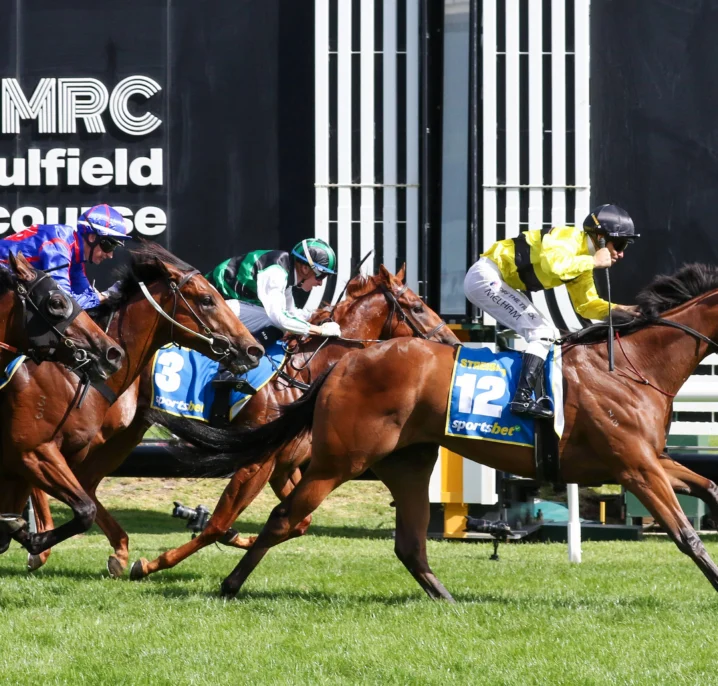
Key summary The Melbourne Autumn Racing Carnival runs from February through May 2026, featuring iconic races like the Australian Cup at Flemington. This guide helps racing enthusiasts and potential owners understand key dates, standout races, and horses worth following as the carnival approaches.
The Melbourne Autumn Racing Carnival represents one of Australia’s most exciting periods for racing enthusiasts, offering months of top-tier competition across the city’s premier tracks. From late January through April 2026, Melbourne’s racing calendar will showcase some of the country’s finest horses competing in Group races that attract international attention and local passion alike.
Whether you’re a seasoned punter, a curious newcomer to the sport, or someone considering racehorse ownership through syndication, the autumn carnival provides an excellent opportunity to witness quality racing and understand what makes Australian thoroughbred racing so compelling. The carnival’s diverse programme means there’s something for everyone, from sprint specialists to stayers, and from emerging three-year-olds to seasoned campaigners.
Understanding the carnival’s structure, key races, and timing can help you make the most of this exciting period. It’s also worth noting that the racing community has become increasingly welcoming to newcomers and international fans, with dedicated spaces for discussion and sharing insights about Australian racing becoming more accessible than ever.
What Makes the Melbourne Autumn Racing Carnival Special
The autumn carnival stands out from other racing periods because it bridges the gap between the famous Melbourne Cup Carnival in November and the winter racing season. This timing creates a unique atmosphere where horses are fresh, trainers are optimistic, and the weather is generally favourable for both horses and spectators.
Why Autumn Racing Attracts Quality Fields
Autumn conditions are often considered ideal for thoroughbreds to perform at their peak, though the evidence on how temperature specifically affects horse performance is still emerging. The cooler temperatures after the summer heat allow horses to train more intensively, while the spacing between major carnivals means connections have had time to prepare their charges specifically for these prestigious events.
The carnival also serves as a crucial stepping stone for many horses targeting bigger autumn features in Sydney. Research into training practices shows that trainers often use Melbourne races to gauge their horses’ progress and fitness levels, creating competitive fields as trainers test their charges against quality opposition before aiming higher.
The Social and Cultural Significance
Beyond the racing itself, the autumn carnival has developed its own character within Melbourne’s social calendar. The atmosphere tends to be more relaxed than the spring carnival’s intensity, with regular racegoers often describing it as offering a more authentic racing experience.
Racing legends like Chautauqua have become nostalgic touchstones for discussing the sport’s recent history, reminding us how individual horses can capture the public imagination and create lasting memories that extend well beyond their racing careers.
Which Are the Key Races and Dates for 2026
The carnival features several Group races that serve as major drawcards throughout the autumn months. Each race has its own character and attracts different types of horses, creating variety that keeps the racing fresh and exciting week after week.
Australian Cup at Flemington
The Australian Cup remains the carnival’s centrepiece, traditionally held in March at Flemington. This Group 1 race over 2000 metres attracts quality middle-distance horses from across Australia and occasionally from overseas, with industry standards confirming its status as a weight-for-age feature that draws elite performers.
The Australian Cup’s rich history and significant prize money ensure it attracts serious contenders, while its distance makes it accessible to a broader range of horses than some of the more specialised sprint or staying contests.
Other Major Features Throughout the Carnival
The carnival typically includes several other Group races across different distances and age groups, ensuring variety throughout the programme. These races often feature:
- Sprint races that showcase speed and tactical racing
- Middle-distance contests that test versatility and class
- Age-restricted races for three-year-olds developing their careers
- Weight-for-age events that pit horses of different ages against each other
Tip Track the Programme Early Race dates and conditions can be finalised closer to the carnival, so keep an eye on official racing club announcements for the most current information about specific dates and entry requirements.
| Race Type | Typical Distance | Target Horses | Key Features |
|---|---|---|---|
| Feature Cups | 2000m+ | Quality middle-distance horses | High prize money, Group status |
| Sprint Championships | 1000-1400m | Speed specialists | Fast times, tactical racing |
| Three-Year-Old Features | 1400-2000m | Classic generation | Development races, future stars |
| Weight-for-Age | Various | Proven performers | Class tests, championship races |
How to Follow Horses and Trainers Worth Watching
One of the most enjoyable aspects of following the autumn carnival involves identifying horses and connections that might provide excitement throughout the campaign. This process requires patience and observation, but it’s part of what makes racing so engaging.
What to Look for in Potential Stars
Horses heading into the 2026 carnival will have given some indication of their ability through their 2025 performances. Look for horses that showed improvement through their preparation, particularly those that finished their previous campaigns strongly or had interrupted preparations that prevented them from showing their best.
Three-year-olds entering their second preparation often make significant improvement, while older horses returning from brief spells can sometimes return better than ever. The key is watching for signs of progression rather than simply focusing on past wins.
Understanding Trainer and Jockey Combinations
Successful carnival campaigns often involve the right combination of horse, trainer, and jockey working together effectively. Some trainers have particularly good records with certain types of horses or in specific carnival races, while jockey bookings can provide clues about how highly connections rate their chances.
The beauty of following racing through a carnival is that every horse has a story, and part of the excitement comes from watching those stories unfold over weeks and months rather than just individual race days. Blueblood Thoroughbreds
Tip Follow the Trials Barrier trials and jumpouts in the lead-up to the carnival can provide valuable insights into which horses are working well and might be ready to peak during the main racing period.
What the Research Says About Sprint Racing
Understanding the carnival’s different race categories can help you appreciate what makes each event special and identify horses that might suit particular contests.
- Sprint championships typically feature races from 1000-1400m, designed specifically for speed specialists who excel over these shorter distances
- Feature Cup races often vary in distance, with some like the Mornington Cup at 2400m targeting staying horses, while others like the TS Carlyon Cup at 1600m suit middle-distance performers
- The evidence shows that different horses peak at different times during a carnival, meaning not all quality performers will hit their straps in the same races
- Experts note that the carnival’s variety allows trainers to map out campaigns that suit individual horses rather than forcing them into unsuitable targets
What the Carnival Means for Racehorse Ownership
For those involved in racehorse ownership or considering entering the sport, the autumn carnival represents an exciting period when the investment in training, preparation, and patience can potentially pay dividends. It’s also a time when the emotional rewards of ownership become particularly evident.
How Syndicate Owners Experience the Carnival
Racehorse syndicate members often find the carnival period particularly rewarding, though we don’t yet know for sure exactly what drives this experience. The extended timeframe certainly allows for multiple opportunities to compete at high levels, and industry standards suggest that unlike trying to target a single major race, the carnival’s variety means there are usually several suitable options for horses at different stages of their development.
The carnival atmosphere also enhances the ownership experience, with regular race meetings creating opportunities for syndicate members to gather, celebrate successes, and share the journey together. The social aspect of ownership often becomes as important as the racing itself during these periods.
Managing Expectations During Big Campaigns
Carnival campaigns require realistic expectations about outcomes and costs. While the potential rewards are higher during feature race periods, so too are the nomination fees and the level of competition. Not every horse will be suited to carnival racing, and success often comes from matching horses to appropriate opportunities rather than forcing ambitious targets.
Experienced syndication companies understand how to navigate these decisions, balancing the excitement of aiming high with the practical considerations of horse welfare and owner budgets.
Tip Budget for the Journey Carnival campaigns can involve additional costs for nominations, travel, and extended preparations, so factor these into your ownership budget alongside the standard training fees.
How to Make the Most of Attending Carnival Races
Attending carnival races offers a completely different experience from watching on television or following results online. The atmosphere, the ability to see horses in the flesh, and the social aspects all combine to create memorable days out.
What to Expect at Different Carnival Meetings
Carnival race meetings typically draw larger crowds than regular Saturday meetings, creating a more festive atmosphere. The quality of racing is generally higher, which means more competitive fields and often more exciting finishes.
Different meetings within the carnival have their own character. Feature race days tend to be busier and more formal, while supporting meetings might offer a more relaxed environment that’s particularly welcoming to newcomers to the sport.
Getting the Most Value from Your Race Day
To maximise your carnival experience, consider arriving early to watch horses in the mounting yard and during the preliminary races. These observations can provide insights that enhance your understanding of the feature events later in the day.
Many carnival days also include special activities, exhibitions, and opportunities to learn more about the sport beyond just the racing itself.
- Watch horses during their pre-race routines to assess their condition and demeanour
- Pay attention to jockey instructions and tactics during races
- Use the form guide to understand each horse’s recent performance and suitability to the conditions
- Consider the social aspects as much as the racing itself
What Happens Next for Racing Enthusiasts
As the 2026 Melbourne Autumn Racing Carnival approaches, there are several ways to prepare and engage with what promises to be an exciting period of racing. Whether you’re planning to attend races, follow from afar, or consider deeper involvement through ownership, the carnival offers multiple entry points into the sport.
The growing accessibility of racing discussions and the welcoming attitude toward new participants, including international fans, means there are more opportunities than ever to connect with like-minded enthusiasts and learn from experienced participants.
For those considering racehorse ownership, the carnival period provides an excellent opportunity to observe how different types of campaigns unfold and to understand what ownership might involve in practice. Syndication offers a way to experience these campaigns without requiring the substantial individual investment that traditional ownership demands.
Tip Start Following Early Begin following potential carnival horses during their summer preparations to understand their progress and development as the carnival approaches.
Blueblood Thoroughbreds specialises in making racehorse ownership accessible through well-planned syndications with leading trainers. Our experienced team understands how to identify horses suited to carnival campaigns and manages the entire process to give owners the best possible experience during these exciting periods.
Tip Join the Conversation Engaging with racing communities and discussions can enhance your understanding and enjoyment of major racing events like the autumn carnival.
Key Takeaways for the 2026 Carnival
The 2026 Melbourne Autumn Racing Carnival offers something for every racing enthusiast, from spectacular Group 1 racing to the social atmosphere that makes Australian racing special. The carnival’s extended timeframe and variety of races create multiple opportunities to engage with the sport at its highest level.
Whether you’re planning to attend races, follow particular horses, or explore ownership opportunities, the carnival represents an excellent introduction to what makes thoroughbred racing so compelling. The key is approaching it with realistic expectations while remaining open to the excitement and unpredictability that make each race day unique.
Remember that racing is ultimately about the horses and the people who care for them. The carnival brings together the best of both, creating an atmosphere where sporting excellence meets genuine passion for these remarkable animals.
