
Key summary
The Golden Slipper 2026 at Rosehill in March represents Australia's premier two-year-old race, offering exciting opportunities for new owners to experience elite racing while understanding that even the most promising juveniles carry inherent risks and uncertainty.
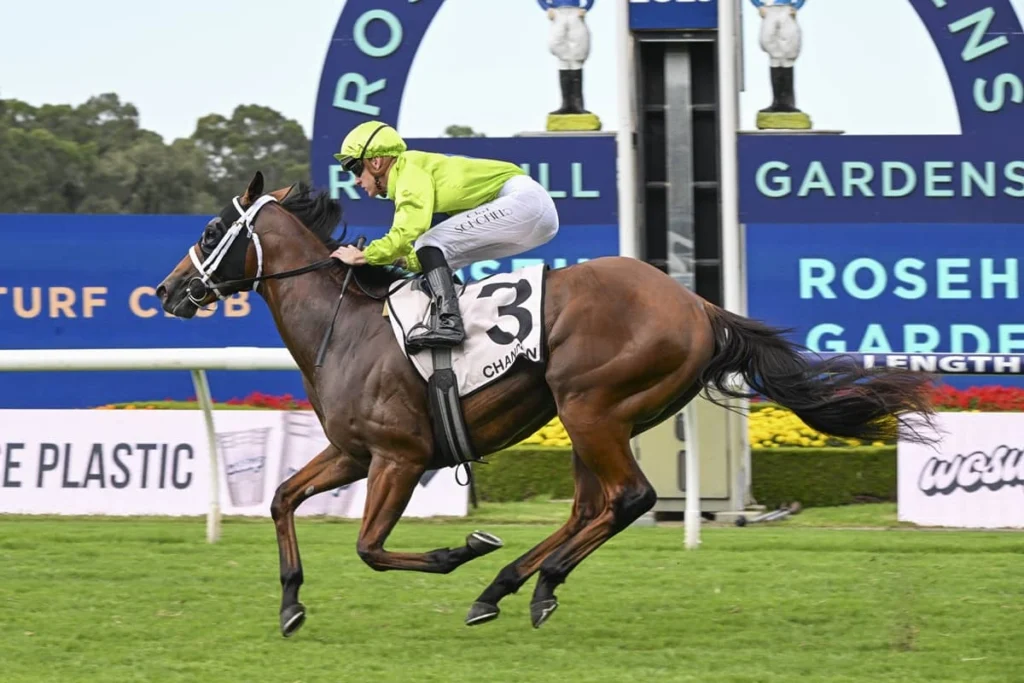
The Golden Slipper 2026 is shaping up to be one of the most thrilling chapters in Australian racing history. Set to run at Rosehill Gardens in March, this prestigious event will mark the 70th running of what many consider the country’s most exciting two-year-old race. For anyone curious about getting involved in racehorse ownership, the Golden Slipper represents the pinnacle of what’s possible when talented juveniles meet Australia’s world-class racing scene.
This isn’t just another race day. The Golden Slipper consistently attracts the best two-year-old horses from across the country, with connections willing to travel interstate and invest heavily in preparation. The 1200-metre sprint at set weights creates a level playing field where natural talent and careful preparation often triumph over reputation alone, though as we’ve seen in recent lead-up races, upsets can happen when well-prepared outsiders step up to challenge favoured runners.
What makes the 2026 edition particularly special is how it reflects the current boom in Australian racing. Research shows that nearly 2,000 initial nominations for the 2026 Golden Slipper indicate exceptional depth and quality in the juvenile talent pool. Prize money continues to increase, new owners are entering the sport in record numbers, and the quality of horses competing at the elite level keeps rising. For potential syndicate members, understanding what makes races like the Golden Slipper so compelling can help clarify whether racehorse ownership aligns with your interests and budget.
How Does the Golden Slipper Format Create Opportunities
The Golden Slipper operates under set weight conditions, meaning all horses carry similar weights regardless of their previous achievements. This creates fascinating dynamics that experienced racing observers love to analyse. Unlike handicap races where successful horses carry penalty weight, the Golden Slipper allows the most naturally talented juveniles to compete on relatively equal terms.
Why Two-Year-Old Racing Appeals to Syndicate Members
Two-year-old racing offers unique excitement because these horses are essentially making their debut on the big stage. Many Golden Slipper contenders will have only run a handful of times, making form analysis both challenging and rewarding. This uncertainty creates opportunities for well-connected syndicates working with experienced trainers who understand juvenile development.
Australian breeding programs have increasingly focused on producing sprinter-milers rather than longer-distance horses, which plays directly into the Golden Slipper’s 1200-metre format. This breeding emphasis means the local talent pool for this distance is exceptionally deep, creating competitive fields year after year.
Tip
Understanding Juvenile Form
Two-year-old form can be misleading because horses develop at different rates. A horse that looks ordinary in autumn might transform by spring, while early stars sometimes plateau.
| Race Factor | Impact on Outcomes | Syndicate Consideration |
|---|---|---|
| Set weight conditions | Levels playing field | Talent matters more than achievements |
| 1200m distance | Suits Australian breeding focus | Deep local talent pool |
| Juvenile horses | Limited form to analyse | Trainer knowledge crucial |
| Rosehill track | Favours versatile horses | Track experience valuable |
What Should You Look for in Golden Slipper Contenders
Identifying potential Golden Slipper contenders requires understanding what separates promising juveniles from genuine Group 1 prospects. Research shows that the most successful Golden Slipper horses typically combine natural speed with the temperament to handle big-race pressure.
How Breeding Influences Golden Slipper Success
Breeding plays a crucial role in Golden Slipper outcomes, but not always in obvious ways. While pedigree provides important clues about a horse’s potential, the most successful Golden Slipper winners often come from crosses that produce precocious speed. Stallions with strong juvenile records tend to sire horses capable of peaking at two years old.
However, breeding is just one piece of the puzzle. The ability to train juveniles successfully requires specific skills that not all trainers possess. Working with established trainers who have experience developing two-year-olds can make the difference between a horse that shows early promise and one that delivers when it counts.
The Golden Slipper rewards patience and careful selection more than rushing horses to the track. The best connections understand that developing a genuine contender takes time and expertise.
Blueblood Thoroughbreds
Why Trial Performance Matters More Than Public Form
Many Golden Slipper contenders emerge from private trials and barrier trials rather than public racing form, though the evidence is mixed on this point. While some horses like Guest House have progressed straight from trials to Golden Slipper consideration, many top contenders have also established themselves through public Group race wins. This creates interesting dynamics for syndicate members, as trainers with strong trial networks often identify promising horses before they become obvious to the general public.
The unpredictability that some observers note in Australian racing, particularly around maiden races where private track work influences expectations, actually works in favour of syndicates with good connections. Experienced trainers understand how to interpret trial times and identify horses ready to step up in class.
- Trial times often matter more than debut race results
- Barrier manners become crucial in big fields
- Track conditions on the day can change everything
- Jockey bookings signal genuine confidence levels
How Do International Comparisons Affect Golden Slipper Value
While some international observers view Australian racing as secondary to major markets like the UK, US, and Hong Kong, this perception doesn’t diminish the quality of horses competing in events like the Golden Slipper. In fact, Australian horses have achieved remarkable international success, with champions like Winx demonstrating the calibre of local breeding and training.
What Makes Australian Two-Year-Old Racing Distinctive
The Australian racing calendar creates unique opportunities for two-year-old development. Unlike some international markets that focus heavily on older horses, the local emphasis on juvenile racing means trainers develop specialised skills in bringing young horses to peak fitness at the right time.
This focus on sprinter-milers, while sometimes seen as limiting compared to European emphasis on longer distances, actually creates depth in exactly the type of racing that produces Golden Slipper winners. The breeding industry’s alignment with these distances means consistently strong fields year after year.
Tip
Evaluating International Perspective
Don't let international perceptions discourage you from Australian racing. The local industry's focus on sprint distances creates exceptional depth in exactly the type of racing that excites new owners.
What Are the Realistic Expectations for Golden Slipper Involvement
Getting involved with a potential Golden Slipper contender through syndication offers incredible excitement, but it’s important to understand the realistic timelines and costs involved. Most genuine contenders require significant investment in training, travel, and preparation fees before they even reach the starting gates.
How Do Costs Accumulate Through the Season
The path to the Golden Slipper typically involves multiple lead-up races, each with associated costs for transport and race entries. Evidence shows that nomination fees alone can reach $440 just for Golden Slipper entry, and horses might need to travel interstate for key lead-up races, adding to the overall investment required. Even horses that don’t ultimately make the final field often accumulate substantial expenses through their preparation.
Training fees continue regardless of racing success, and the intensive preparation required for Group 1 racing often means higher than usual costs for several months. Syndicate members should budget not just for the initial horse purchase, but for the ongoing expenses that come with serious racing ambitions.
Tip
Budget for the Journey
Golden Slipper campaigns often cost more than expected due to travel, higher training intensity, and multiple lead-up races. Budget for the full preparation, not just the headline race.
Why Patience Matters More Than Instant Results
Even the most promising two-year-olds face uncertainty around development, injury risk, and competitive pressure. The racing community understands that no horse, regardless of breeding or early promise, represents a guaranteed outcome. This uncertainty is part of what makes success so rewarding when it does occur.
Successful Golden Slipper campaigns often involve setbacks, plan changes, and moments of doubt. Horses might miss intended lead-up races due to minor issues, or show different form than expected as they mature. The most enjoyable syndicate experiences come from understanding these variables upfront rather than discovering them along the way.
- Development timelines vary significantly between individual horses
- Minor setbacks are normal and often temporary
- Alternative races provide valuable experience even if Golden Slipper plans change
- Early maturity doesn’t always predict long-term success
How Can New Owners Navigate Golden Slipper Season
For racing newcomers interested in Golden Slipper excitement, understanding how the season unfolds can help set realistic expectations. The lead-up races begin months before the main event, with each race providing important information about genuine contenders versus hopeful connections.
What Role Do Lead-Up Races Play
The traditional Golden Slipper lead-ups create a natural progression where horses can prove their ability against increasingly strong competition. These races serve multiple purposes beyond just preparing for the main event – they help identify which horses have the temperament for big occasions and which might be better suited to different targets.
Understanding this progression helps syndicate members appreciate why trainers might choose different paths for different horses, even within the same stable. Some horses benefit from aggressive campaigns that build fitness and confidence, while others perform better with patient approaches that save their peak performance for the biggest day.
Tip
Following the Campaign
Stay engaged with lead-up races even if your horse doesn't run. Understanding the form and watching potential opponents helps you appreciate the competitive context when your horse does compete.
| Campaign Stage | Typical Timing | Purpose |
|---|---|---|
| Early trials | Late summer | Fitness and assessment |
| First runs | Early autumn | Race experience |
| Lead-up races | March lead-up | Final preparation |
| Golden Slipper | Late March | Peak performance |
What Happens When Golden Slipper Dreams Meet Reality
The reality of Golden Slipper campaigns is that most horses, regardless of early promise, won’t ultimately make the final field. This doesn’t diminish the excitement of the journey or the value of being involved with quality horses during their development. Understanding this upfront helps syndicate members enjoy the experience regardless of the ultimate outcome.
How Do Successful Syndicates Handle Changing Plans
The most successful syndicate experiences come from connections who communicate clearly about changing circumstances and alternative plans. When horses don’t develop as expected for Golden Slipper targets, experienced trainers redirect toward races where the horse can succeed and provide enjoyment for owners.
This flexibility becomes crucial during Golden Slipper season, where the depth of talent means many good horses miss selection despite strong form. Alternative races during the same period often provide excellent opportunities for horses just below the elite level, creating positive outcomes even when original plans change.
The boom in Australian racing, with increasing prize money and growing owner participation, means more opportunities exist than ever before for horses at all levels. This growth creates value beyond just the headline races, though the Golden Slipper remains the ultimate prize for two-year-old connections.
Tip
Embrace Flexibility
The best Golden Slipper campaigns often involve plan changes. Horses that miss the main target frequently excel in alternative races that provide just as much excitement and reward.
What the Research Says About Juvenile Racing Success
Understanding what actually makes Golden Slipper contenders successful can help potential syndicate members set realistic expectations. Here’s what the evidence tells us:
- Natural speed and mental maturity to handle race pressure are consistently the most important factors for juvenile success at the elite level.
- Specialised training skills for two-year-old development make a significant difference, with experienced juvenile trainers achieving better timing for peak performance.
- The set weight conditions of the Golden Slipper genuinely level the playing field, allowing talent and preparation to matter more than previous achievements.
- While breeding provides important clues, it’s just one piece of the puzzle – comprehensive assessment including physical attributes and trial performance is essential.
- The evidence is mixed on whether trial form or public racing form better predicts Golden Slipper success, with top contenders emerging from both pathways.
- Alternative lead-up races provide genuine value and experience, even when original Golden Slipper plans need to change due to development timelines or competition depth.
Key Takeaways for Golden Slipper 2026
The Golden Slipper 2026 represents everything exciting about Australian two-year-old racing – genuine talent, competitive depth, and the unpredictability that makes horse racing compelling. For potential syndicate members, understanding both the opportunities and realities helps create realistic expectations for what promises to be an exceptional edition of this historic race.
Success in Golden Slipper campaigns comes from combining quality horse selection with experienced training partnerships and realistic expectations about timelines and costs. The current strength of Australian racing, evidenced by increasing prize money and growing owner participation, creates an environment where involvement at any level can provide genuine excitement and reward.
Whether your horse ultimately makes the Golden Slipper field or finds success in supporting races, the experience of being involved with quality two-year-olds during their development provides insights into why racehorse ownership continues to attract new participants. The 2026 Golden Slipper will showcase the best of what Australian racing offers, regardless of where individual horses finish on the day.
