
Key summary
For racing fans and potential owners curious about what a Group 1 two-year-old victory like Streisand's Blue Diamond Stakes win means, this article explains the race's significance and what comes next in the horse's career. Expect insights into prize money distribution, syndication opportunities, and realistic timelines for major race campaigns.
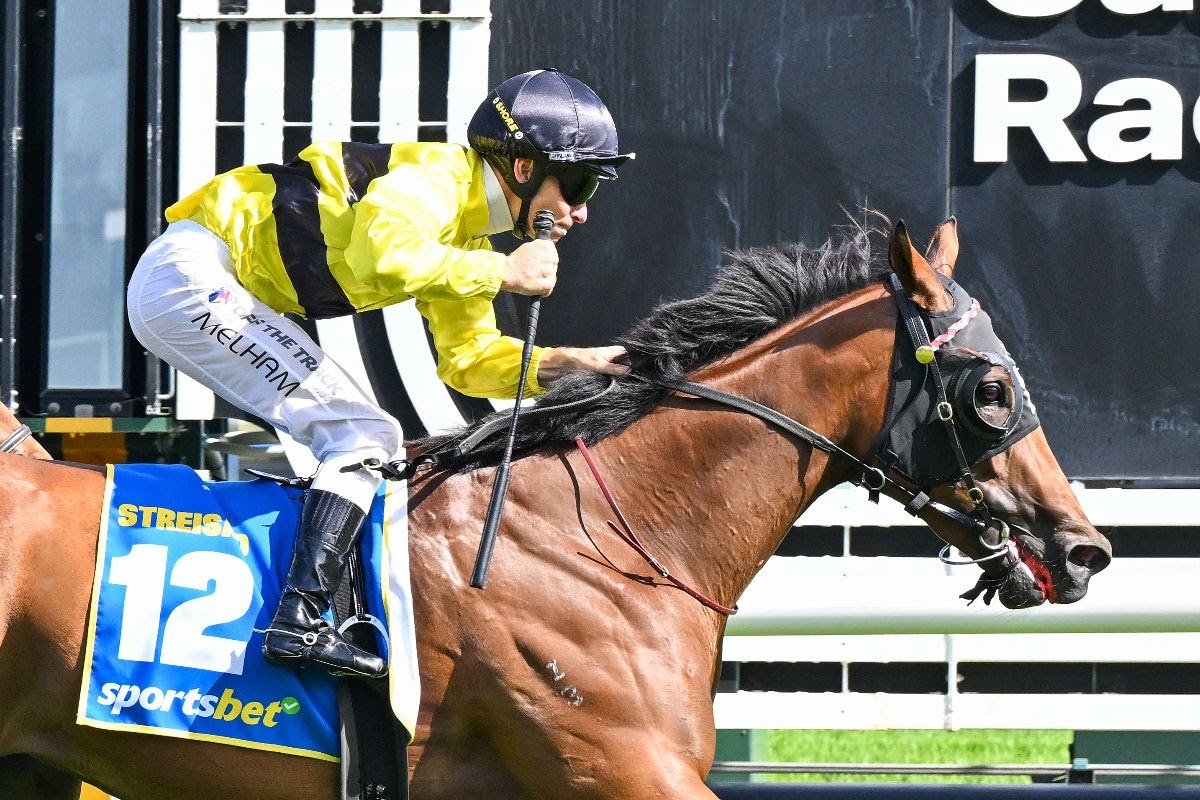
When Streisand crossed the line first at Caulfield in the 2026 Blue Diamond Stakes, it wasn’t just another race win – it was a moment that changed everything for the horse, the connections, and potentially dozens of owners. The Blue Diamond Stakes represents one of Australia’s most prestigious races for two-year-olds, carrying a massive $2 million prize pool and serving as a launching pad for some of the country’s future stars. Melbourne Racing Club describes it as Victoria’s premier two-year-old sprint race, cementing its status in the racing calendar.
For anyone who’s been following Streisand’s journey or wondering what a Group 1 victory actually means in practical terms, this breakdown covers the race itself, what the win means financially, and where things go from here. Whether you’re already involved in racehorse ownership or just getting curious about how it all works, understanding victories like this helps paint a picture of what’s possible when everything comes together.
The reality is that wins like Streisand’s Blue Diamond Stakes 2026 triumph don’t happen by accident. They’re the result of careful planning, quality breeding, expert training, and yes, a fair bit of luck along the way. But they also represent opportunities for everyday racing fans to get involved in ownership through syndication, making the thrill of Group 1 success more accessible than many people realise.
What Makes the Blue Diamond Stakes Such a Big Deal
The Blue Diamond Stakes sits at the top of the two-year-old racing pyramid in Australia. Run over 1200 metres at Caulfield, it’s designed to find the best juvenile sprinters in the country and has historically been a stepping stone to even bigger things. Research from racing authorities confirms this Group 1 status, with the $2 million prize money making it one of the richest races available to horses so early in their careers.
Why Two-Year-Old Racing Matters So Much
Racing two-year-olds might seem young, but these horses represent the future of the industry. A Blue Diamond Stakes winner often goes on to compete in races like the Golden Slipper, and evidence shows this pathway is well-established – industry reports confirm that Blue Diamond winners like Streisand frequently target the $5 million Golden Slipper just three weeks later. Successful juveniles frequently become the breeding stock that produces the next generation of champions. For owners and syndicators, investing in quality two-year-olds offers the chance to be part of something special from the very beginning.
The pressure around events like this is intense, though. Connections know that performing well early can set up a horse’s entire career, while missing the mark might mean reassessing plans and expectations. This pressure extends to everyone involved, from trainers who’ve spent months preparing to owners who’ve invested their hopes and money in the horse’s potential.
Tip
Understanding Race Planning
Major wins like the Blue Diamond often determine a horse's entire autumn campaign. Smart connections use victories as stepping stones to bigger races, while also managing the horse's long-term welfare and development.
How Prize Money Actually Works for Syndicated Horses
When Streisand won that $2 million Blue Diamond Stakes, the money didn’t just disappear into a trainer’s account. Prize money distribution follows a fairly standard pattern across Australian racing, with the lion’s share going to connections but various deductions along the way.
| Recipient | Typical Percentage | Blue Diamond Example |
|---|---|---|
| Owner(s) | 85% | $1,700,000 |
| Trainer | 10% | $200,000 |
| Jockey | 5% | $100,000 |
What Syndicate Members Actually Receive
For syndicated horses like many quality two-year-olds, that owner’s portion gets divided among all the shareholders. The calculations can vary depending on syndicate structure and any management fees, but it’s worth noting that the evidence around typical returns is still emerging across the industry. Not every syndicated horse wins a Group 1 race. In fact, while we don’t have exact figures, industry experience suggests the vast majority don’t win any race at all. Understanding how much money racehorse owners make in Australia helps set proper expectations around the financial side of ownership.
Tip
Prize Money Reality Check
Major wins like the Blue Diamond are exceptional. Most owners should budget for ongoing costs rather than counting on prize money returns, treating any winnings as a bonus rather than an expectation.
What Happens After a Group 1 Victory
Winning the Blue Diamond Stakes opens doors that simply don’t exist for other horses. Streisand’s connections now have options that most owners can only dream about, but each path comes with its own risks and rewards.
Racing Opportunities and Campaign Planning
The most immediate decision involves Streisand’s autumn campaign. A Blue Diamond winner typically heads toward the Golden Slipper, Australia’s richest two-year-old race worth $5 million. Historical data from racing analysts shows this pathway has produced multiple horses that completed the double, including champions like Sepoy in 2011. The pressure to capitalise on current form while managing the horse’s development creates genuine tension in planning decisions.
Experienced connections understand that pushing too hard too early can derail a promising career, while being too conservative might waste a horse’s peak moment. This balancing act requires deep knowledge of individual horses, racing conditions, and long-term planning that goes well beyond any single race.
- Golden Slipper preparation and entry considerations
- Managing workload and avoiding over-racing
- Assessing competition and track conditions
- Planning for potential spelling periods
- Setting realistic expectations for campaign outcomes
Group 1 wins create opportunities, but they also create pressure. The key is remembering that each horse is an individual with their own optimal path, not just a racing machine chasing the next big prize.
Blueblood Thoroughbreds
Breeding and Stud Value Implications
A Blue Diamond Stakes victory doesn’t just impact racing earnings – it fundamentally changes a horse’s breeding value. For fillies like Streisand, Group 1 success as a two-year-old can translate into significant residual value as a future broodmare, potentially worth millions regardless of what happens on the track from here. Market evidence from recent sales shows that elite juvenile winners like 2024 Blue Diamond winner Hayasugi can command values of $2.3 million and beyond as breeding prospects.
This breeding value creates interesting dynamics for syndicate members. Some might prefer to focus on continued racing success, while others could be more interested in maximising long-term breeding returns. Managing these different priorities requires clear communication and realistic planning from the outset.
How Victory Changes the Ownership Experience
For anyone who’s been part of a syndicated horse that wins a major race, the experience transforms almost overnight. What starts as a recreational investment with modest hopes suddenly becomes something much more significant.
Managing Increased Attention and Expectations
Success brings attention, and attention brings pressure. Syndicate members who might have been content watching their horse run in country races suddenly find themselves following Group 1 campaigns with national media coverage. The emotional investment intensifies dramatically when the stakes get higher.
Smart syndicators help manage these changing dynamics by maintaining realistic communication about what success means and what it doesn’t guarantee. Understanding that one big win doesn’t make every future race a certainty helps keep expectations grounded while still enjoying the incredible experience.
Tip
Enjoying Success Responsibly
Major wins are meant to be celebrated, but experienced owners know that racing success is cyclical. Enjoy the highs while preparing mentally and financially for the inevitable challenges that come with ongoing campaigns.
Decision-Making in High-Pressure Situations
When connections are suddenly dealing with Group 1 horses rather than maiden platers, every decision carries more weight. Race entries, training decisions, and campaign planning all become more complex when serious prize money and breeding value are at stake.
The most successful syndicates establish clear decision-making processes before they need them. When emotions are running high after a big win, having predetermined agreements about how major decisions get made helps avoid conflicts and ensures the horse’s welfare remains the priority.
What This Means for Potential Syndicate Members
Streisand’s Blue Diamond Stakes victory demonstrates exactly why quality syndication attracts so many racing fans. The possibility of being part of something special, even with a relatively modest initial investment, makes ownership accessible to people who could never afford to buy a Group 1 horse outright.
Understanding the Reality Behind the Headlines
While Streisand’s story is inspiring, it’s important to understand how rare these outcomes actually are. For every Blue Diamond winner, there are hundreds of syndicated horses that never win a race. Learning how racehorse syndicates work helps potential owners understand both the opportunities and the realities involved.
The key insight from victories like this isn’t that every horse will win Group 1 races – it’s that quality selection, expert management, and realistic expectations create the best chance of positive experiences regardless of race results. The thrill comes from being part of the journey, not just from winning prize money.
Evaluating Syndication Opportunities
Success stories like Streisand’s often trigger increased interest in syndication, which can be both good and problematic. Smart potential owners use major wins as learning opportunities rather than immediate buying triggers, taking time to understand how successful operations actually work.
- Research the syndication company’s track record and approach
- Understand the total cost commitment beyond initial purchase price
- Evaluate trainer relationships and horse selection criteria
- Set realistic expectations about likely outcomes and timelines
- Consider personal financial capacity for ongoing ownership costs
Tip
Learning from Success Stories
Use major wins like Streisand's as research opportunities rather than buying triggers. Study how successful syndicates select horses and manage campaigns to understand what quality ownership actually looks like.
What the Research Says About Racehorse Ownership
Understanding the realities behind the excitement helps set proper expectations for anyone considering syndication:
- Group 1 success as a juvenile can create significant breeding value – industry sales data shows elite fillies commanding millions at auction based on race performance
- The Blue Diamond consistently produces Golden Slipper contenders, with multiple historical winners completing the double
- Monthly ownership costs continue regardless of performance – training fees, veterinary expenses, and insurance are fixed monthly commitments that don’t depend on race results
- However, the evidence on syndicate success rates is still emerging, with different operations reporting varying outcomes for their members
- Prize money distribution varies between syndicates, and experts have different views on optimal ownership structures for different types of owners
Planning Your Own Ownership Journey
Whether Streisand’s Blue Diamond Stakes victory has sparked your interest in ownership or reinforced existing curiosity, the next steps involve realistic planning rather than impulsive decisions. Quality syndication opportunities exist, but they require careful evaluation and honest self-assessment about goals and expectations.
Setting Realistic Expectations and Budgets
The most successful syndicate members understand that ownership involves ongoing costs regardless of race results. Research from industry sources confirms that monthly training fees, veterinary expenses, insurance costs, and other ownership expenses continue whether horses win Group 1 races or never see a racecourse. Budgeting for these realities prevents financial stress and helps maintain enjoyment of the experience.
Smart potential owners also consider their emotional capacity for the ups and downs of racing. Horses get injured, campaigns don’t always go to plan, and even quality horses often take time to find their best form. The most rewarding ownership experiences come from realistic expectations rather than dreams of immediate Group 1 success.
For those ready to explore ownership opportunities, racehorse syndication in Australia offers various entry points depending on budget and goals. The key is finding operations that prioritise horse welfare, maintain transparent communication, and help members understand both the opportunities and responsibilities involved in ownership.
Key summary
Getting started with racehorse ownership through syndication requires honest budgeting, realistic expectations, and careful selection of syndication partners who prioritise horse welfare and owner education over quick sales.
Understanding what owning a share in a racehorse actually involves helps separate the romance of racing from the practical realities of ownership. The best experiences come from clear-eyed planning rather than impulse decisions driven by exciting race results.
Tip
Starting Your Ownership Journey
Begin with smaller syndicate shares to understand the ownership experience before committing larger amounts. This approach helps you learn what you enjoy about racing without overextending financially or emotionally.
Looking Forward After Major Victories
Streisand’s Blue Diamond Stakes triumph represents both an ending and a beginning. It marks the successful conclusion of months of preparation while opening new possibilities for the horse’s future racing and breeding career. For the connections, it validates their selection process and management decisions while creating new pressures and opportunities.
The broader lesson from victories like this isn’t that every horse can win Group 1 races – it’s that quality selection, expert management, and realistic expectations create the foundation for positive ownership experiences regardless of specific outcomes. The thrill comes from being part of something larger than yourself, sharing in the dreams and challenges that make racing so compelling.
For racing fans inspired by stories like Streisand’s, the path forward involves education, realistic planning, and finding the right partners for your ownership journey. The opportunities exist, but they require careful consideration of both the incredible highs and inevitable challenges that come with racehorse ownership.
Major victories remind us why people fall in love with racing in the first place. They represent the perfect combination of breeding, training, luck, and timing that makes every race worth watching and every ownership experience potentially life-changing. Whether you’re ready to join a syndicate or simply want to understand the sport better, stories like Streisand’s Blue Diamond Stakes victory show why racing continues to capture imaginations and create lasting memories for everyone involved.
